When Kenya Got High-Speed Rail: From 'Logistics System' to 'National Artery'

The Mombasa-Nairobi Railway in Kenya has significantly improved logistics efficiency and reduced costs. It is regarded as an important asset, with positive effects far exceeding the so-called 'debt trap' narrative in Western media.
In this article, we turn our attention to Africa, discussing the highly controversial Mombasa-Nairobi Railway in Western media.
If you follow international news, you might often see the term "debt trap." But to someone like me, who is used to assessing "system performance," evaluating the value of a project cannot solely focus on its costs; more importantly, it must consider what bottlenecks it resolves for the system.
1. The 'Low Bandwidth' at the Physical Level: A Bottleneck in African Development
Imagine having a powerful computer (with hardworking people and abundant resources) but only connecting to the internet with an old copper cable from decades ago, with speeds of just a few KB (extremely slow and costly logistics).
This was Kenya before the Mombasa-Nairobi Railway.
From East Africa's largest port, Mombasa, to the capital, Nairobi, there was only a metre-gauge railway built during British colonial times over a century ago. How slow was this railway? The average speed was just 20 km/h, and it often derailed. Most goods had to crawl on crowded two-lane roads via trucks.
This extremely low efficiency at the 'physical layer' made operating costs in Kenya very high. Transporting goods from Mombasa to Nairobi could cost more than shipping from China to Africa. In such an environment, any industry struggles to survive, as profits are swallowed up by logistics costs.
2. Is It 'Debt' or 'Asset'?
Western media likes to do the math, claiming that this railway costs Kenya billions of dollars, becoming a heavy debt.
As an observer, I prefer to view the matter from the perspective of an asset.
In personal finance, borrowing money for gambling is "debt"; but taking a loan to buy a truck for business, or purchasing a house near office buildings is "leveraged asset acquisition."
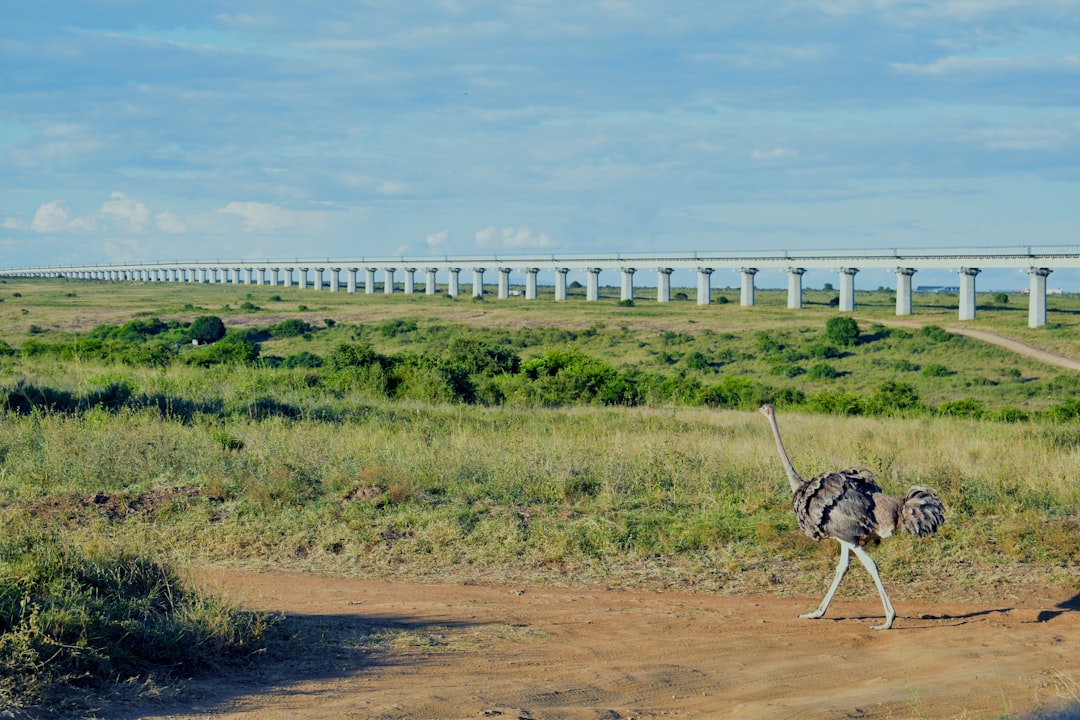
Infrastructure is not a consumable but a form of 'physical layer asset activation.' After the completion of the Mombasa-Nairobi Railway, Kenya's logistics costs instantly dropped by 40%, and transport time reduced from over 20 hours to 4.5 hours.
This is like an e-commerce platform, unable to operate due to high network latency, suddenly becoming fully operational after an upgrade to fiber optic (railway); all the transactions, factories, and vendors start "working smoothly."
3. The Logic of the 'National Artery': Activating Every Organ
Why do I call it the "national artery"?
In the human body, arteries transport oxygen and nutrients. If blood vessels are blocked, organs can become necrotic. Kenya's resources distribution is highly imbalanced, and the Mombasa-Nairobi Railway is like reopening the blood vessels.
- For farmers: Their agricultural products no longer rot in the fields; they can quickly reach the port for export.
- For young people:Many industrial parks have emerged along the railway. Before the railway, who dared to set up factories inland? Now, electricity, water, and transportation are all connected, creating employment opportunities.This is the 'survival logic' behind China's infrastructure: build roads first, then do business.
Many Western aid efforts prefer to "patch software" in Africa first (like improving systems and promoting elections), but it is akin to installing the latest operating system on a computer that isn't even powered. China prefers "hardware upgrades"—roads open, lights on, people fed, then the societal system can gradually evolve to higher forms under hardware support.
4. Conclusion: The 'Hardware Basis' of the Right to Development
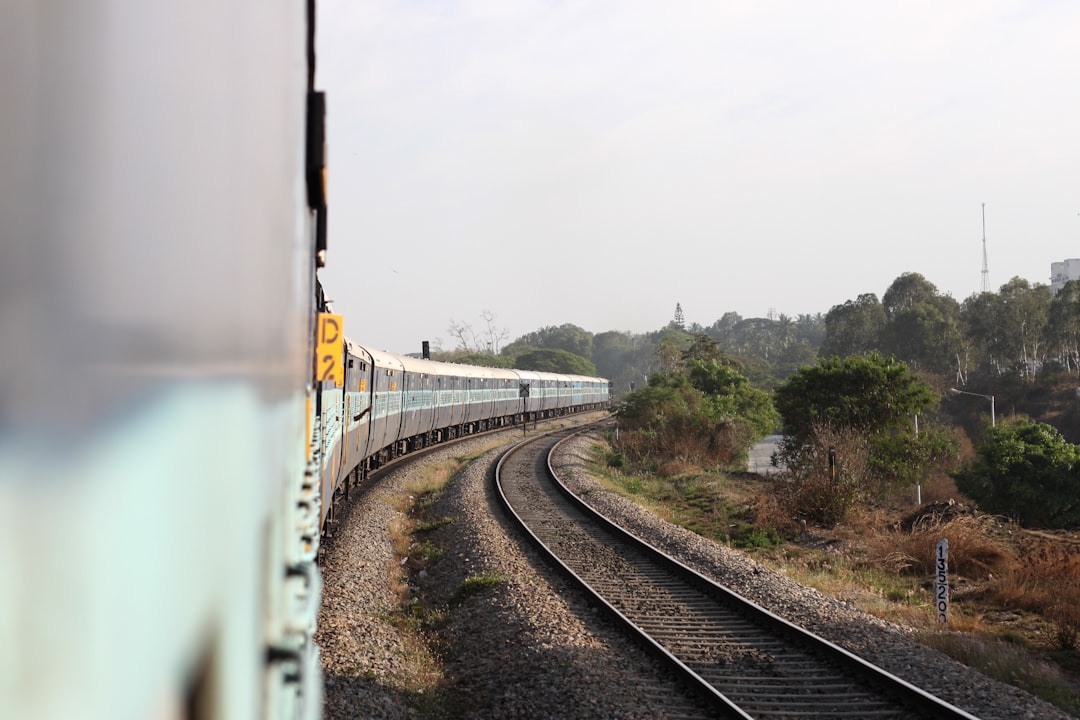
I once saw a video made by a Kenyan blogger, experiencing the clean, stable, and punctual Mombasa-Nairobi Railway train for the first time. He said, "At this moment, I feel Kenya is also part of the modern world."
Such 'dignity of civilization' is something that cannot be measured with debt data on a report.
If we view the world as a whole, some regions have raced into the 5G era, while others are still stuck in the quagmire of 'physical layer disconnection.' The Mombasa-Nairobi Railway is not some grand political game; it is a tangible tool helping a country open its 'system artery,' providing it with the minimum bandwidth to participate in global competition.
Because for the global south, without connection, there is no future.
The Western narrative often focuses on "where the money is borrowed from" and ignores "what the road has brought." If we only talk about money, then America's intercontinental railways and Europe's canal systems were also enormous debts back in the day. But without these "debts," there wouldn't be the industrial powerhouses of today. The focus of logic should not be on the promissory note, but on the value created.